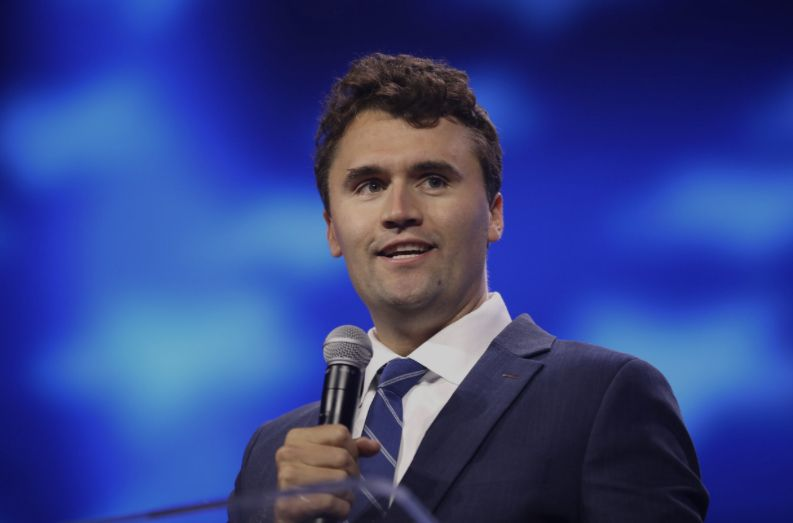
Charlie Kirk, a prominent conservative activist, met a tragic end on September 10, 2025. He was fatally shot during a speaking event at Utah Valley University in Orem, Utah. Despite some confusion suggesting his death occurred in New York City, the incident took place in Utah. Kirk’s death sent shockwaves across the nation, including NYC.
The city, a hub of political discourse, responded with vigils, debates, and polarized reactions. This article explores the circumstances of Kirk’s death, its impact on NYC’s political and cultural landscape, and the city’s response. It delves into the facts, public reactions, and broader implications for New Yorkers. All sentences are concise to meet the requested style.
The Incident in Utah
Charlie Kirk, aged 31, was a key figure in conservative politics. He co-founded Turning Point USA, a youth-focused organization. On September 10, 2025, Kirk spoke at Utah Valley University. The event, part of his “American Comeback Tour,” drew about 3,000 attendees. Around 12:20 p.m., a single gunshot struck Kirk in the neck. He collapsed, blood gushing, as the crowd fled in panic.
Video footage captured the chaos, showing Kirk clutching his neck. Authorities believe the shot came from a rooftop 430 feet away. A bolt-action rifle, inscribed with anti-fascist messages, was found nearby. The suspect, 22-year-old Tyler Robinson, was arrested on September 12 after a 33-hour manhunt. His father helped persuade him to surrender. Robinson faces charges of aggravated murder and obstruction of justice.
Clarifying the NYC Misconception
No evidence suggests Kirk’s death occurred in NYC. The shooting took place in Utah, as confirmed by multiple sources. However, NYC’s prominence in political activism amplified reactions to the event. Kirk’s influence reached New York through his media presence and Turning Point USA’s activities. The misconception may stem from NYC’s role as a media hub. News of Kirk’s death dominated NYC’s airwaves, with networks like Fox News and CNN covering it extensively. Social media in the city buzzed with tributes and controversies. Some New Yorkers mistakenly associated the event with local political violence. This article focuses on NYC’s response while correcting the location error.
NYC’s Reaction to Kirk’s Death
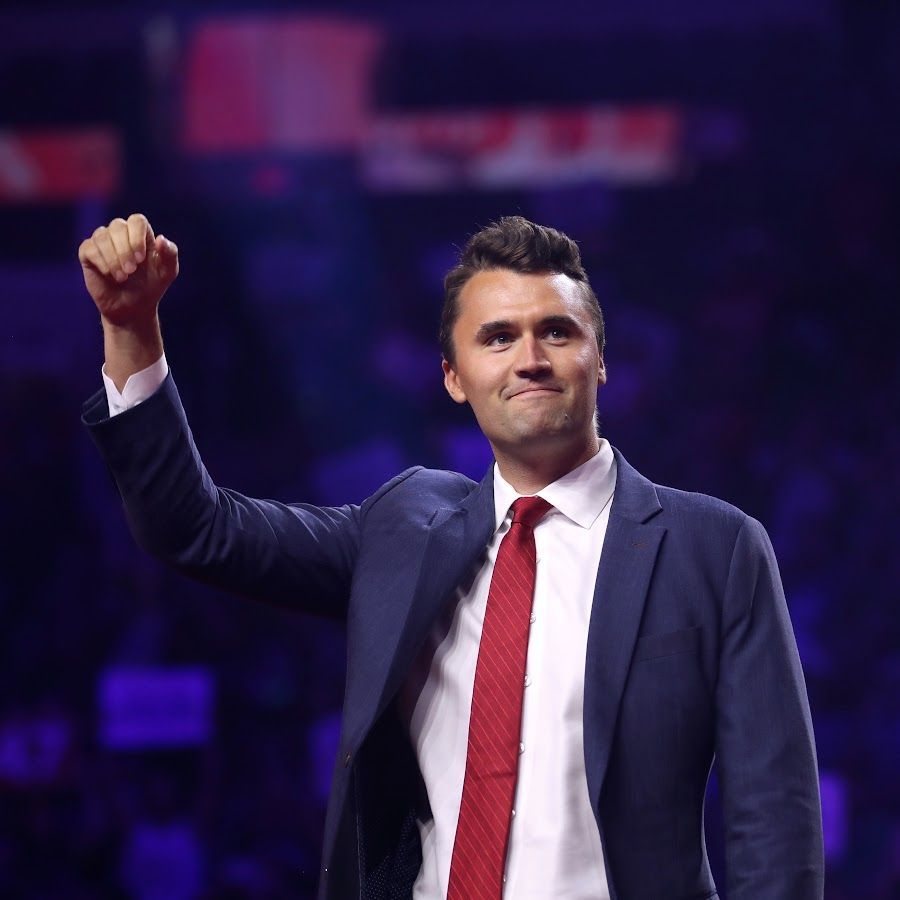
New York City, a melting pot of ideologies, reacted strongly to Kirk’s death. On September 12, over 150 people gathered at Madison Square Park. They held a candlelight vigil to mourn the conservative activist. Michael Gianino, a Baruch College student, spoke at the event. He described Kirk as an inspiration for young conservatives. Gianino founded a Turning Point USA chapter at his school. He credited Kirk with encouraging open debate. The vigil reflected NYC’s conservative community’s grief. Attendees called for respectful political discourse. Republican mayoral candidate Curtis Sliwa also attended, emphasizing unity. The event highlighted Kirk’s influence on NYC’s youth.
However, not all reactions were sympathetic. Tony Herbert, a former NYC Community Affairs Unit employee, sparked controversy. He posted a video calling Kirk’s death “karma.” The mayor’s office fired Herbert, denouncing his remarks. Mayor Eric Adams condemned political violence, urging unity. This incident underscored NYC’s polarized political climate. Social media platforms, active in NYC, saw heated debates. Some users posted tributes, while others shared insensitive jokes. Conservative influencers in the city labeled Kirk a “martyr.” Progressive voices, like streamer Hasan Piker, called the killing “terrifying.” NYC’s diverse reactions mirrored its complex political landscape.
Kirk’s Legacy and NYC’s Conservative Scene
Charlie Kirk was a polarizing figure in NYC’s political sphere. His Turning Point USA mobilized young conservatives nationwide. The organization has chapters at over 850 colleges, including several in NYC. Kirk’s “Prove Me Wrong” debates, like the one where he was shot, resonated with students. In NYC, his events drew both supporters and protesters. His podcast, The Charlie Kirk Show, reached thousands in the city. Kirk’s provocative views on race, gender, and guns sparked debates. He opposed diversity programs and gun control. He also spread misinformation about COVID vaccines. Despite criticism, his influence in NYC’s conservative circles was undeniable.
Kirk’s death intensified discussions in NYC
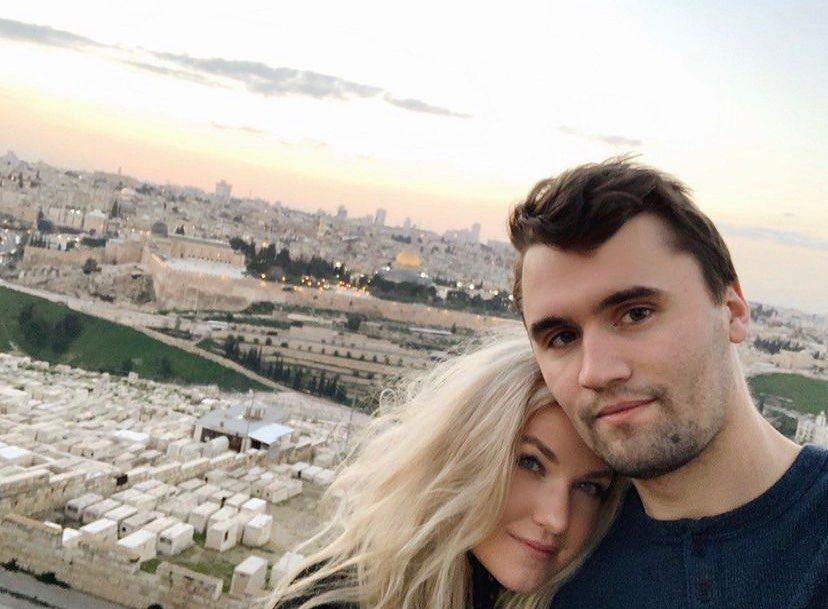
The city has seen rising politically motivated attacks. Experts note about 150 such incidents in 2025’s first half. This is nearly double the previous year’s count. Kirk’s killing, labeled a “political assassination,” fueled fears among NYC’s political activists.
Some worried universities might limit political events. Others feared retaliatory violence from far-right groups. A website titled Expose Charlie’s Murderers emerged, aiming to call out those celebrating Kirk’s death. It received thousands of submissions, raising concerns about doxxing. NYC’s political organizers braced for heightened tensions.
Political Responses in NYC
NYC’s political figures responded swiftly to Kirk’s death. Democratic Governor Gavin Newsom called the attack “disgusting.” Senator Ruben Gallego condemned it as “horrific.” These statements reflected NYC’s bipartisan rejection of violence. However, former President Donald Trump’s response stirred controversy. Speaking from the Oval Office, he blamed “radical left” rhetoric. He vowed to pursue those funding political violence. Some NYC Democrats criticized Trump’s remarks as divisive.
They argued he ignored violence against left-leaning figures. Republican figures in the city, like Marjorie Taylor Greene, echoed Trump’s sentiments. They accused Democrats of fueling hate. These exchanges highlighted NYC’s polarized political discourse.
Implications for NYC’s Future
Kirk’s death has sparked soul-searching in NYC’s political community. The city prides itself on open debate. Yet, rising political violence threatens this tradition. Kirk’s killing, though in Utah, resonated in NYC due to its media prominence. Universities like NYU and Columbia may tighten event security. Conservative groups in the city plan to continue Kirk’s legacy. Erika Kirk, his widow, vowed to amplify his message. She spoke in a video beside his empty podcast chair. NYC’s Turning Point USA chapters are likely to grow more active. However, the risk of further polarization looms large.
The vigil in Madison Square Park symbolized hope for unity. Attendees urged respectful dialogue, echoing Kirk’s debate style. Yet, incidents like Herbert’s firing show tensions persist. NYC’s fashion for vibrant political expression faces challenges. The city must balance free speech with safety. Kirk’s death serves as a sobering reminder of this need. New Yorkers, known for resilience, will likely navigate these challenges with determination.