
Vintage Clothing Everlasting Appeal: More Than Just Second-Hand Threads
In an era of fast fashion and disposable trends, a powerful sartorial counter-movement is thriving. Vintage clothing is not merely about wearing old garments; it is a deliberate embrace of history, craftsmanship, and sustainable individuality. This deep dive into the world of vintage fashion explores why these pieces have transcended their original eras to become coveted staples in modern wardrobes, offering a unique blend of narrative, quality, and ecological consciousness. Understanding vintage fashion is key to appreciating its enduring impact on style and sustainability.
Defining the Vintage Landscape: Eras, Terminology, and Allure
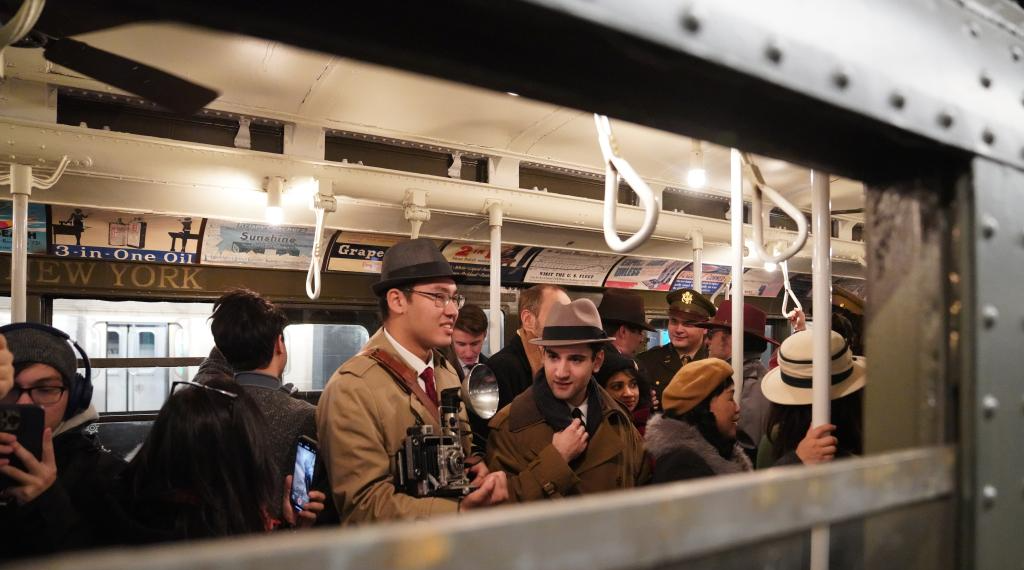
First, let’s clarify the lexicon. While “vintage” is often used interchangeably with “second-hand” or “retro,” true aficionados understand its specific meaning. Generally, vintage fashion refers to garments and accessories originating from a specific past era, typically 20 to 100 years old. Items over a century old fall into the “antique” category. The magic of vintage lies in its period-specificity: the flapper dresses of the Roaring Twenties, the utilitarian chic of 1940s wartime fashion, the full-skirted elegance of the 1950s, the bold prints and silhouettes of the 1970s, and the rebellious spirit of 1980s designer pieces.
What fuels the enduring appeal of vintage? It is a multifaceted attraction. For many, it’s the unparalleled quality. Before mass production dominated, clothes were often constructed with superior fabrics—think heavy silks, dense cottons, and resilient wools—and featured details like hand-stitched finishes, bone casing, and intricately worked buttons. Each piece tells a story, offering a tangible connection to the past. Wearing a 1950s cocktail dress isn’t just about the look; it’s about channeling the post-war optimism and craftsmanship of that decade.
The Pillars of the Vintage Revolution: Sustainability, Uniqueness, and Investment
The modern vintage boom is underpinned by three strong pillars.
1. Sustainable Fashion Champion: In the face of the environmental catastrophe fueled by fast fashion, vintage clothing is the ultimate sustainable choice. It embodies the core principles of “reduce, reuse, recycle.” By giving garments a second, third, or fourth life, vintage shopping drastically reduces landfill waste, water consumption, and carbon emissions associated with new clothing production. Building a wardrobe with second-hand treasures is a direct, stylish protest against overconsumption and a vote for a circular economy.
2. The Cult of Individuality: In a world of homogenized mall styles, vintage offers an escape. It is the antithesis of looking like everyone else. Curating a personal style from different decades allows for profound self-expression. Finding that one-of-a-kind 1970s suede jacket or a pristine 1960s shift dress ensures you own something unique. This thrift store treasure hunt is a creative pursuit, rewarding patience and knowledge with a wardrobe that is authentically you.
3. Vintage as an Investment: Beyond style and ethics, vintage has proven to be a savvy financial consideration. While not all old clothes appreciate, certain categories have become blue-chip assets. Designer vintage pieces from houses like Chanel, Dior, Yves Saint Laurent, and Vivienne Westwood consistently see values soar, especially iconic items from landmark collections. A well-preserved Hermès scarf, a Levi’s denim jacket from the 1950s, or a 1980s Comme des Garçons deconstructed piece are not just clothes; they are wearable history with appreciating market value.
Navigating the Vintage Vault: A Practical Guide for Beginners
Entering the world of vintage can be daunting. Here’s how to start your journey:
- Know Your Eras: Research silhouettes, fabrics, and labels from decades that appeal to you. Understanding what a genuine 1940s dress hem or a 1960s zipper looks like is your first defense against misrepresentation.
- Inspect Meticiously: Check for stains, tears, weak seams, and armpit discoloration. Look for original buttons and hardware. Some wear is expected and adds character, but structural damage can be costly to repair.
- Understand Labels: Labels are clues to age and origin. Research union tags, font styles, and brand histories. A “Made in” tag can often date a piece, as certain designations came into use at specific times (e.g., “Made in Hong Kong” vs. “Made in China”).
- Fit Over Size: Vintage sizing is radically different from modern sizing. Always prioritize measurements (bust, waist, hip, shoulder-to-hem) over the number on the tag. Be prepared to alter; a good tailor is a vintage enthusiast’s best friend.
- Start with Accessories: Ease into vintage fashion with belts, scarves, handbags, or costume jewelry. They are less intimidating, add instant vintage flair to a modern outfit, and are often easier to fit.
The Future of Vintage: Digital Markets and Conscious Consumption
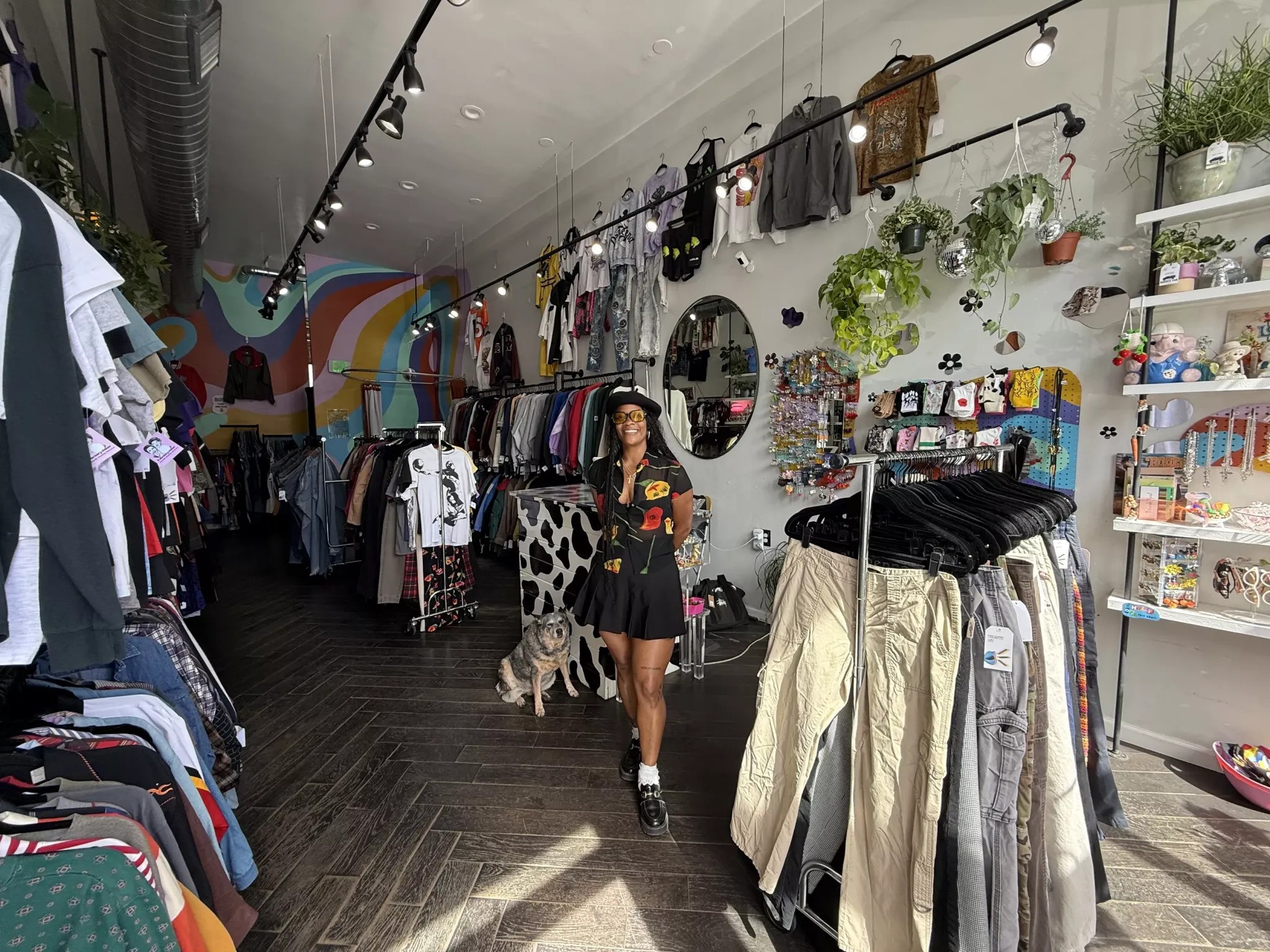
The internet has revolutionized vintage clothing collecting. While brick-and-mortar thrift stores and specialized vintage boutiques remain beloved, online platforms like Etsy, specialized Instagram dealers, and auction sites have globalized the market. This digital access has democratized collecting but also increased the need for buyer savvy—ask for detailed photos and measurements.
The future of vintage is inextricably linked to the future of fashion itself. As consumers become more educated about the ecological and human cost of their choices, the demand for unique vintage finds will only grow. It represents a shift from passive consumption to active curation. It’s a celebration of the slow, the well-made, and the storied.
Mastering Vintage Fashion for a Sustainable Style
Vintage clothing is far more than a trend; it is a philosophy. It connects us to the artistry of the past while offering a sustainable path forward. It challenges the notion that new is always better, reminding us that true style is timeless. In every carefully stitched seam of a mid-century garment, in every vibrant print of a 1970s maxi dress, we find a rejection of disposability and an embrace of enduring value. Whether you’re a dedicated collector hunting for iconic designer pieces or a conscious consumer seeking a unique thrifted blouse, participating in the vintage fashion cycle means you are not just wearing a piece of history—you are preserving it, honoring its narrative, and weaving it into your own. In a world of fleeting fads, vintage stands apart, a testament to the enduring power of beautiful, well-made things.


